Posts

Contributions to the Research Project

1. I discussed with my group and we agreed on a product for the research project.  2. I contributed to shaping the points for the problem and purpose statements. 3. I conducted research on my part of the introduction which was the improvements and way of life for amputees with prosthetics.

Video Pitch


Kinetic Energy Recovery System (KERS) - Summary Reader Response Draft 3

The Kinetic Energy Recovery System (KERS) was originally introduced in Formula 1 in 2009 (AZoM, 2023). It is an electro-mechanical system for vehicles that works by capturing and converting kinetic energy during braking into electrical energy stored in a battery (Racecar Engineering, 2009). Upon acceleration, the stored energy provides an extra power boost, improving overall vehicle performance and efficiency (Baliga, 2023). The battery, which stores the energy, is connected to an electric motor mounted at one end of the engine crankshaft. The driver will then press a KERS button to activate the stored electrical energy to be used as kinetic energy for additional horsepower for a limited duration (AZoM, 2023). The integration of KERS used in mass-produced cars stands as a transformative advancement by revolutionizing emissions reduction through regenerative braking but also amplifying driving dynamics for users on public roads. This is environmentally friendlier as it can reduce gr...

Kinetic Energy Recovery System (KERS) - Summary Reader Response Draft 2

The Kinetic Energy Recovery System (KERS) which was originally used in Formula 1, is an electromechanical system for vehicles that works by capturing and converting kinetic energy during braking into electrical energy stored in a battery (Racecar Engineering, 2009). Upon acceleration, the stored energy provides an extra power boost, improving overall vehicle performance and efficiency (Baliga, 2023). The battery, which stores the energy, is connected to an electric motor mounted at one end of the engine crankshaft. The integration of KERS used in mass-produced cars stands as a transformative advancement by revolutionizing emissions reduction through regenerative braking but also amplifying driving dynamics. KERS stands as a transformative advancement as it helps to reduce emissions by harnessing and storing energy that would otherwise be wasted during braking, thus improving overall fuel efficiency and reducing the carbon footprint of vehicles (Chandra, et al. 2017). By converting kine...
Kinetic Energy Recovery Systems (KERS) - Summary Reader Response Draft 1

The Kinetic Energy Recovery System (KERS) is an electromechanical system for vehicles that works by capturing and converting kinetic energy during braking into electrical energy stored in a battery (Racecar Engineering, 2009). Upon acceleration, the stored energy provides an extra power boost, improving overall vehicle performance and efficiency (Ehsani & Mehrjardi, 2022). The integration of KERS which was originally used in F1 cars into mass-produced cars stands as a transformative advancement by revolutionizing emissions reduction through regenerative braking but also amplifying driving dynamics. KERS helps reduce emissions by harnessing and storing energy that would otherwise be wasted during braking, thus improving overall fuel efficiency and reducing the carbon footprint of vehicles (Chandra, et al. 2017). By converting kinetic energy into electrical energy during deceleration and storing it for later use, KERS systems enhance the overall efficiency of vehicles, leading to bet...

Summary and Thesis of Kinetic Energy Recovery System (KERS)

Image
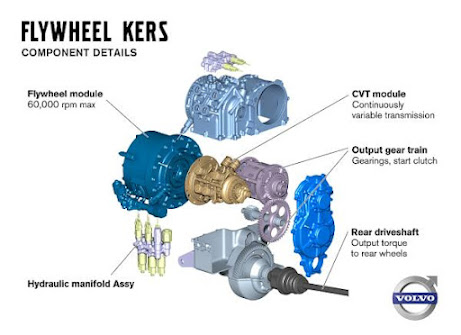
Photo source:  Volvo Car Corporation developing flywheel kinetic energy recovery system; considering broad application . Green Car Congress. (2011, May 26). https://www.greencarcongress.com/2011/05/vcc-20110526.html The integration of KERS which was originally used in F1 cars to mass-produced cars stands as a transformative advancement, not only revolutionizing fuel efficiency and emissions reduction through regenerative braking but also amplifying driving dynamics, responsiveness, and the longevity of braking systems. According to Racecar Engineering (2009), The Kinetic Energy Recovery System (KERS) enhances mass-produced cars by capturing and converting kinetic energy during braking into electrical energy stored in a battery. Upon acceleration, the stored energy provides an extra power boost, improving overall vehicle efficiency (Baisden & Emadi, 2004). Integrated into hybrid and electric vehicles, KERS plays a crucial role in achieving fuel efficiency and reducing emissions....

Initial Research Pathway

Image
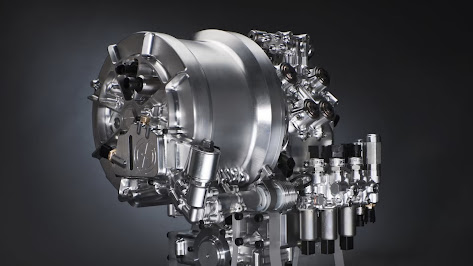
Description of Kinetic Energy Recovery System (KERS) Photo source:  https://www.kbb.com/car-news/volvos-flywheel-kers-setup-can-cut-fuel-use-by-up-to-25-percent/ Got a rough idea of how KERS works from watching motorsports. Read more about KERS online. Prompted ChatGPT to give an overall summary describing the features of KERS and the applications on production cars. The prompt used was: "Give me a summary about KERS along with its features and its advantages on production cars". The team evaluated the use of KERS on production cars such as Volvo.